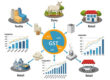

A simple guide to help first-time filers in Purnea navigate GST return filing with confidence
Filing your first GST return can feel overwhelming—especially if you’re a small business owner, freelancer, or first-time entrepreneur in Purnea or surrounding districts. The jargon, forms, deadlines, and compliance requirements can make even confident businesspeople a little nervous.
But here’s the good news: It’s not as complicated as it sounds—if you follow the right process and avoid some common mistakes. In this beginner-friendly guide, we’ll walk you through how to file your GST return, highlight common pitfalls, and share some practical tips to help you stay GST-compliant without stress.
As a local expert in Purnea, Avyud Consultancy has helped hundreds of small businesses successfully file GST returns and prepare bankable CMA Data and Project Reports to unlock growth and funding opportunities.
What Is a GST Return?
Before you start the filing process, it’s important to understand what a GST return actually is. A GST return is essentially a tax form containing details of your business transactions. It helps the government track your sales, purchases, and tax liabilities.
A GST return is a document that businesses registered under GST need to file with the tax authorities. It contains details of your:
- Sales (outward supplies)
- Purchases (inward supplies)
- Tax collected and paid
- Input Tax Credit (ITC)
Depending on the type of business, you may need to file monthly, quarterly, or annual GST returns.
Common forms include:
- GSTR-1: Sales data
- GSTR-3B: Summary return
GSTR-9: Annual return
Step-by-Step Guide to Filing Your First GST Return
Don’t worry if it’s your first time—this section provides a simplified and beginner-friendly roadmap. Follow these steps in order to file your GST return correctly and avoid unnecessary delays or penalties.
Whether you run a Kirana store in Purnea, a boutique in Araria, or an online business from Katihar, here’s a simple roadmap to help you through:
1. Make Sure You’re Registered
You must have a valid GSTIN (GST Identification Number) before you can file your return.
💡 Tip: If you haven’t registered yet, check our GST Registration Essentials for Businesses in Purnea guide.
2. Gather the Right Documents
Organizing your documents early will save you time and help avoid mistakes during filing. Make it a habit to maintain digital records of every transaction throughout the month.
You’ll need:
- Sales invoices (B2B and B2C)
- Purchase bills
- Credit/debit notes
- Bank statements (for reconciliation)
- Details of advances received and adjusted
3. Log in to the GST Portal
The GST filing process begins at the official GST portal. It’s user-friendly, secure, and accessible to all registered businesses.
Visit the official site: https://www.gst.gov.in Use your GST credentials to log in.
4. File GSTR-1
Start with GSTR-1, which captures your sales details. Accuracy is key here since it affects your buyers’ ability to claim input tax credit.
- Report all outward supplies (sales) for the period.
- Upload invoice-wise details for B2B transactions.
- Consolidate B2C sales based on state and tax rate.
📌 Deadline: 11th of the following month (for monthly filers)
5. File GSTR-3B
This is the form where you declare your overall tax liability and claim input credit. Ensure your entries in GSTR-3B match the figures in GSTR-1.
- Summarize total sales and purchases.
- Declare tax liability and claim Input Tax Credit (ITC).
- Make the payment online through a challan.
📌 Deadline: 20th of the following month
6. Keep Acknowledgments and Filing Proof
Keeping a record of what you’ve filed ensures transparency and saves time during audits or financial reviews. It also supports the creation of loan-ready project reports.
Once filed, download and save:
- Acknowledgment receipt
- Filed return copies (PDF)
- Challan (if tax was paid)
Common Pitfalls First-Timers Should Avoid
Filing your first GST return doesn’t have to be difficult, but certain common mistakes can delay your compliance journey.
This section highlights errors you should avoid to ensure smooth and penalty-free filing.
Many new filers in
Bihar and Jharkhand districts
make the same avoidable errors. Here’s what to watch for:
1. Missing Deadlines
Late filings attract
heavy penalties
(₹50/day for CGST and SGST each), even if no transactions happened.
🔔
Reminder:
Set calendar alerts for the 11th and 20th of each month.
2. Input Tax Credit Mistakes
Wrong ITC claims can lead to scrutiny. Claim only on
eligible purchases
with matching invoices from suppliers.
3. Ignoring NIL Returns
Even if your business had zero transactions, you must file NIL returns—
non-filing is non-compliance
.
4. Manual Errors
Typos in GSTINs, mismatched invoice values, and wrong HSN codes can delay or reject returns.
5. Not Reconciling With Books
Always reconcile your GST returns with:
- Purchase register
- Sales register
- GSTR-2A/2B auto-generated data
✅
Pro tip from Avyud:
We offer reconciliation-ready templates that reduce manual errors and speed up CMA Data preparation.
Step-by-Step GST Registration Process
The GST registration process may seem technical, but when broken down step by step, it becomes much more manageable. Whether you’re applying for the first time or reapplying due to an error, this section guides you through each stage of the application.
- Create a GST Account
Visit www.gst.gov.in and create a temporary user ID. - Submit Application (Part A)
Fill in your business PAN, mobile number, and email ID. - Upload Documents (Part B)
Attach your ID proof, address proof, bank details, and business documents. - Verification by GST Officer
An officer may approve directly or request clarification—usually within 3–7 working days. - Receive GSTIN & Certificate
Once verified, you’ll receive a 15-digit GSTIN and digital certificate for your business.
Working with a local expert like Avyud Consultancy can help ensure you don’t miss any step or documentation, speeding up the process.
Common Pitfalls First-Timers Should Avoid
Filing your first GST return doesn’t have to be difficult, but certain common mistakes can delay your compliance journey.
This section highlights errors you should avoid to ensure smooth and penalty-free filing.
Many new filers in
Bihar and Jharkhand districts
make the same avoidable errors. Here’s what to watch for:
1. Missing Deadlines
Late filings attract
heavy penalties
(₹50/day for CGST and SGST each), even if no transactions happened.
🔔
Reminder:
Set calendar alerts for the 11th and 20th of each month.
2. Input Tax Credit Mistakes
Wrong ITC claims can lead to scrutiny. Claim only on
eligible purchases
with matching invoices from suppliers.
3. Ignoring NIL Returns
Even if your business had zero transactions, you must file NIL returns—
non-filing is non-compliance
.
4. Manual Errors
Typos in GSTINs, mismatched invoice values, and wrong HSN codes can delay or reject returns.
5. Not Reconciling With Books
Always reconcile your GST returns with:
- Purchase register
- Sales register
- GSTR-2A/2B auto-generated data
✅
Pro tip from Avyud:
We offer reconciliation-ready templates that reduce manual errors and speed up CMA Data preparation.
GST Tips for First-Timers in Bihar
Practical tips can help you streamline your GST process and stay compliant without stress. These hacks are especially useful for small and medium businesses across Bihar.
- Use automation: Accounting software like Tally or Zoho Books can help track GST data in real-time.
- Stay updated: GST rules change frequently. Subscribe to updates from CBIC or local advisory firms like us.
- Maintain digital records: Keep digital copies of all invoices, challans, and returns for at least 6 years.
Take expert help for CMA Data: If you’re applying for a loan, your banker may ask for a bankable CMA Report—this includes sales, tax, and cash flow data directly tied to your GST filings.
GST Filing Checklist (Download and Print)
A checklist helps ensure you don’t miss any crucial step. You can print and stick this near your desk to stay on top of your monthly compliance.
✅ GSTIN and login credentials
✅ Sale & purchase invoices
✅ GSTR-1 submission
✅ GSTR-3B summary & payment
✅ Reconciliation with books
✅ Downloaded acknowledgment
✅ GSTR-2A/2B review for ITC
✅ Annual return (GSTR-9) due in April
Download Free GST Filing Template from our website
Why Local Help Matters: Purnea Knows Purnea
When it comes to compliance, having a trusted local partner can make a world of difference. We understand the region, the market, and your business needs better than anyone else.
At Avyud Consultancy, we understand the unique challenges faced by local traders, MSMEs, and service providers in Purnea, Araria, Katihar, and nearby districts. From seasonal cash flows to rural connectivity issues, we tailor our support to fit your exact business scenario.
We’ve helped clients file on time, avoid penalties, and prepare loan-ready CMA Data and Project Reports—especially important if your loan process is stuck or delayed.
Get in Touch With Avyud Consultancy
If you’re unsure about how to proceed or need help with any part of the GST process, you don’t have to do it alone. Our team is ready to assist you with everything from return filing to financial documentation.
Filing GST returns doesn’t have to be a headache. Whether you’re just starting out or want to ensure you’re fully compliant, we’re here to support you every step of the way.
Have questions or need help with filing?
📩 Email: info@avyud.in
🌐 Website: www.avyud.in
📞 Call us: +91-8100666111 | +91-8884700074