
Understanding GST the Right Way
For small manufacturers and local traders in Purnea and nearby districts like Katihar, Araria, and Kishanganj, staying compliant with GST rules is crucial—not just for peace of mind but also to secure smooth business operations, easier credit access, and future growth.
One such often-overlooked area is the Reverse Charge Mechanism (RCM) under GST. If you’ve heard of it but never quite understood how it applies to your business, you’re not alone. This guide is meant to clear that confusion—in simple language and with real relevance to your local trading and manufacturing setup.
Let’s break it down and see how Acyud Consultancy, your trusted financial partner in Purnea, can help you not only stay compliant but also build bankable documentation for growth.
What is Reverse Charge Mechanism (RCM)?
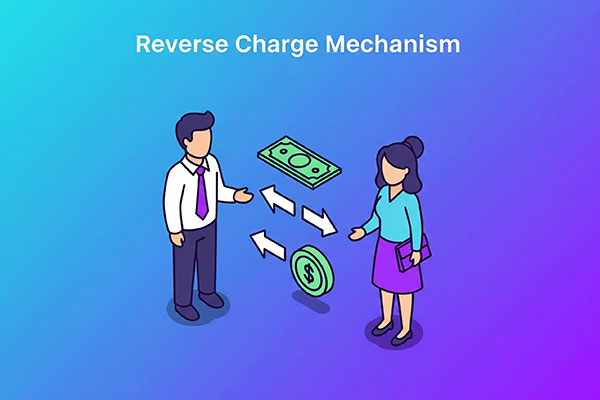
Under the regular GST system, it’s the seller or supplier who collects GST from the buyer and pays it to the government. But under the Reverse Charge Mechanism, the buyer becomes responsible for paying the GST directly to the government instead of the seller.
This mechanism is specially designed for certain transactions—either when the supplier is an unregistered party or when dealing with specific categories of goods and services.
Why Should Local Traders in Purnea Care About RCM?
Small business owners often work with unregistered service providers (transporters, freelancers, contract labour, etc.) or buy certain goods from outside the region. That’s where RCM becomes applicable.
For example:
- Mr. Gupta, a small furniture manufacturer in Purnea, hires a truck from a local unregistered transporter to deliver goods to Katihar.
- Since the transporter is unregistered, Mr. Gupta must pay the GST under reverse charge.
If he fails to do this, he’s non-compliant, which may create issues during audits or while applying for business loans.
Key Situations Where RCM Applies
For businesses in Supaul, Purnea, and nearby districts, understanding GST Input Tax Credit (ITC) is essential to manage cash flow and stay compliant. The ITC system is designed to eliminate the cascading effect of taxes
Here’s a quick checklist for small traders to identify if RCM might apply to their business:
- unregistered contractors or workers
- Goods transport services from GTA (Goods Transport Agency)
- Legal services from advocates or law firms
- Rent of commercial property (in certain cases)
- Purchase of cashew nuts, bidi wrapper leaves, etc. (specific goods under Schedule I)
- Import of services (foreign digital services, marketing, consulting)
Compliance Steps for Reverse Charge Mechanism
RCM is not just a one-time process. Here’s what you need to do consistently:
- Identify applicable transactions each month.
- Pay GST using the cash ledger on the GST portal (Input tax credit cannot be used to pay RCM).
- Report RCM details in GSTR-3B under “Tax on reverse charge basis.”
- Claim Input Tax Credit (ITC) in the next month to adjust your tax liabilities.
- Maintain records of invoices where RCM was paid, along with the payment details.
At Acyud Consultancy, we help businesses prepare CMA Data and financial documents that reflect these payments accurately—making your financials not just GST-compliant but bankable and ready for funding opportunities.
Real-Life Example from Araria District
Let’s take the case of Rahul Enterprises, a small unit in Araria producing textile products. Rahul sources packaging material from a small-time supplier in rural Bihar who doesn’t have GST registration. When this supplier delivers ₹60,000 worth of packaging in a month, Rahul Enterprises is liable to pay GST under RCM, even though the supplier hasn’t charged it.
By working with Acyud Consultancy, Rahul Enterprises was able to:
- Set up an RCM checklist for their purchase department
- Prepare compliant monthly GST filings
- Maintain updated CMA Data for bank loans
This helped them secure a working capital loan from a regional bank, thanks to a clean compliance history.
Common Mistakes to Avoid
- Assuming RCM only applies to big companiesForgetting to pay GST under RCM before claiming ITC
Not maintaining separate entries for RCM transactions
Ignoring changes in government notifications about RCM applicability
Tools and Templates (Free to Use)
Acyud’s RCM Readiness Checklist:
| Task | Status |
| Identify RCM-eligible purchases | ✅ / ❌ |
| Separate RCM ledger created | ✅ / ❌ |
| GST paid via cash ledger | ✅ / ❌ |
| Monthly GSTR-3B updated | ✅ / ❌ |
| ITC claimed next month | ✅ / ❌ |
Need this in Excel format? Drop us a line at info@avyud.in and we’ll send you a free editable template.
Acyud Consultancy: Your Partner in Local Business Success
Whether you’re a small trader in Purnea or a manufacturer in the nearby regions of Araria or Kishanganj, understanding RCM is key to staying compliant and unlocking future growth.
At Acyud Consultancy, we don’t just offer GST filing support—we help you prepare project reports, CMA Data, and financial planning that banks trust. Our goal is to keep your business not only compliant but also funding-ready.
Get In Touch with Acyud Consultancy
eed help understanding how RCM affects your specific business?
📧 Email: info@avyud.in
🌐 Website: www.avyud.in
📞 Call/WhatsApp: +91-8100666111 | +91-8884700074
We’re local. We’re reliable. We’re here for you.